

A spiritual journey may begin with a wish for quiet, a pilgrimage within your faith or curiosity about a place that has mattered to people for centuries. The most meaningful destination is often the one you approach with time to listen, rather than a promise that travel will transform your life.
These 20 places offer different starting points: working religious sites, cultural landscapes, historic monuments and settings people choose for reflection. They are not interchangeable spiritual experiences. Learn whose place you are entering, whether visitors are welcome and what participation is appropriate.
Europe and the Mediterranean
1. Montserrat, Spain
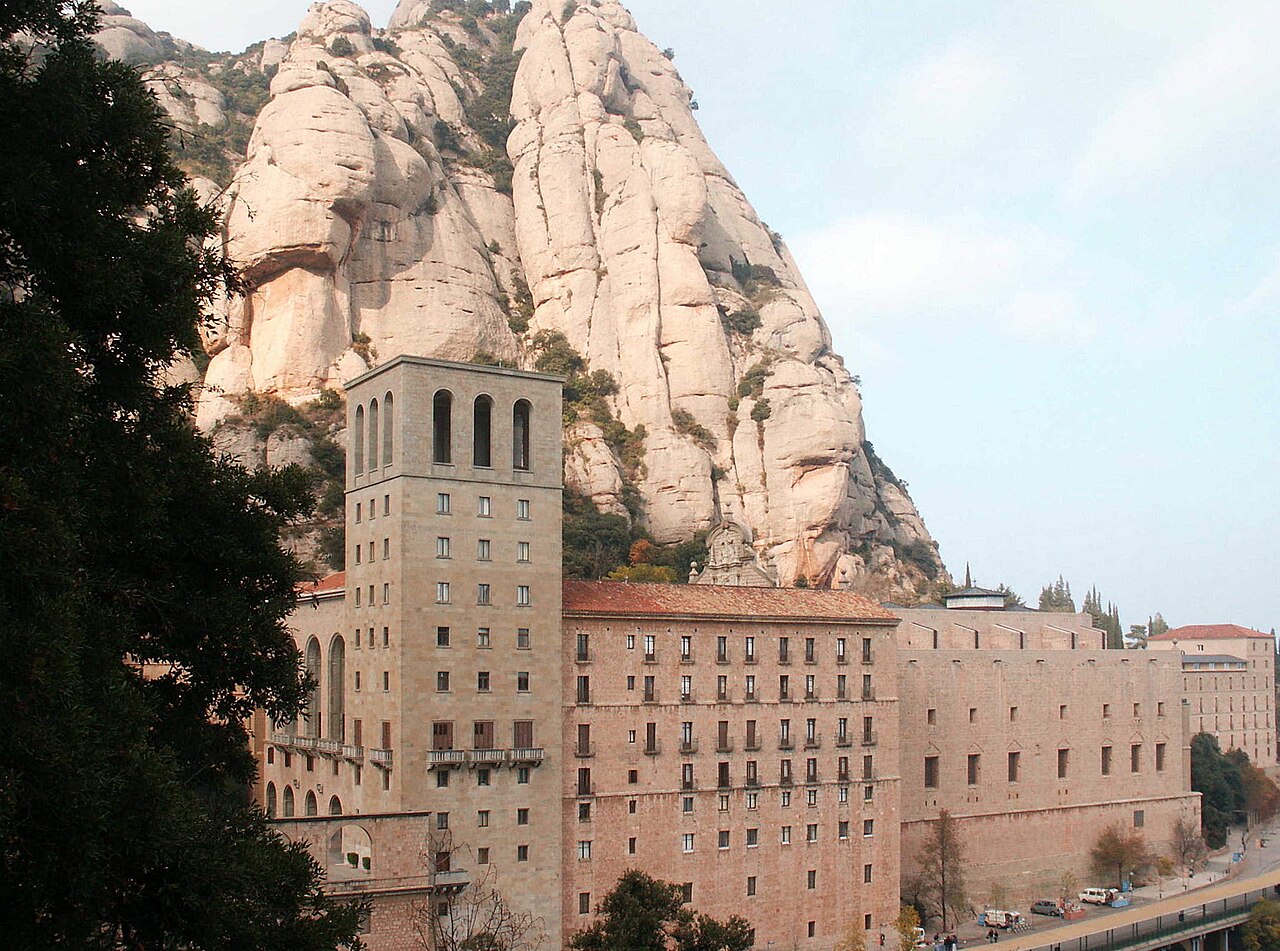
The mountain sanctuary offers a setting for Christian pilgrimage, prayer and attentive listening. Its pastoral welcome explains the spiritual purpose of a visit.
Plan thoughtfully: distinguish time for worship from sightseeing and check which areas or events require advance arrangements.
2. Istanbul, Türkiye
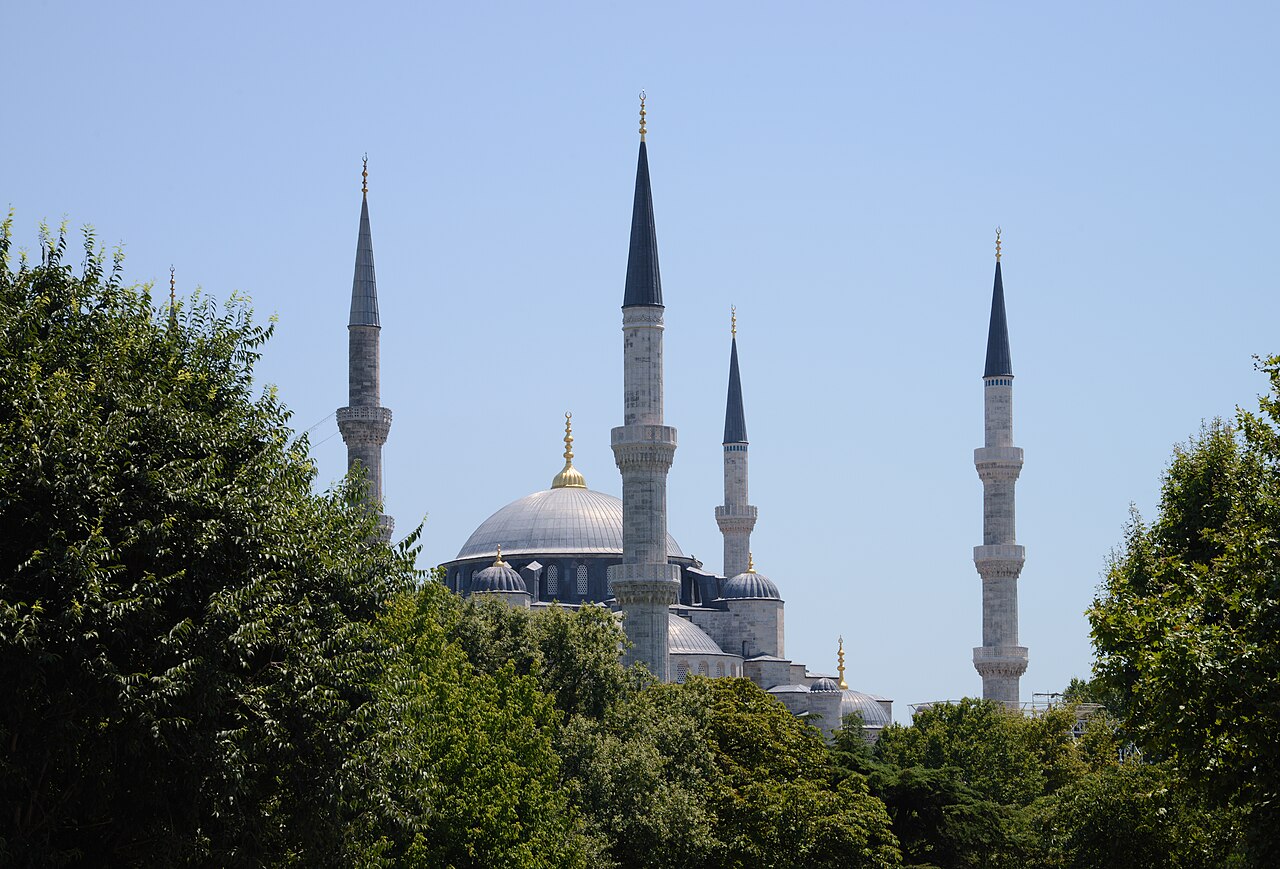
Religious history is part of the city’s everyday life. Hagia Sophia is currently the Ayasofya Grand Mosque, with a history that includes its earlier church and museum uses.
Plan thoughtfully: follow the current visitor route, dress guidance and prayer-time arrangements instead of relying on an old museum guide.
3. Ibiza and Es Vedrà, Spain
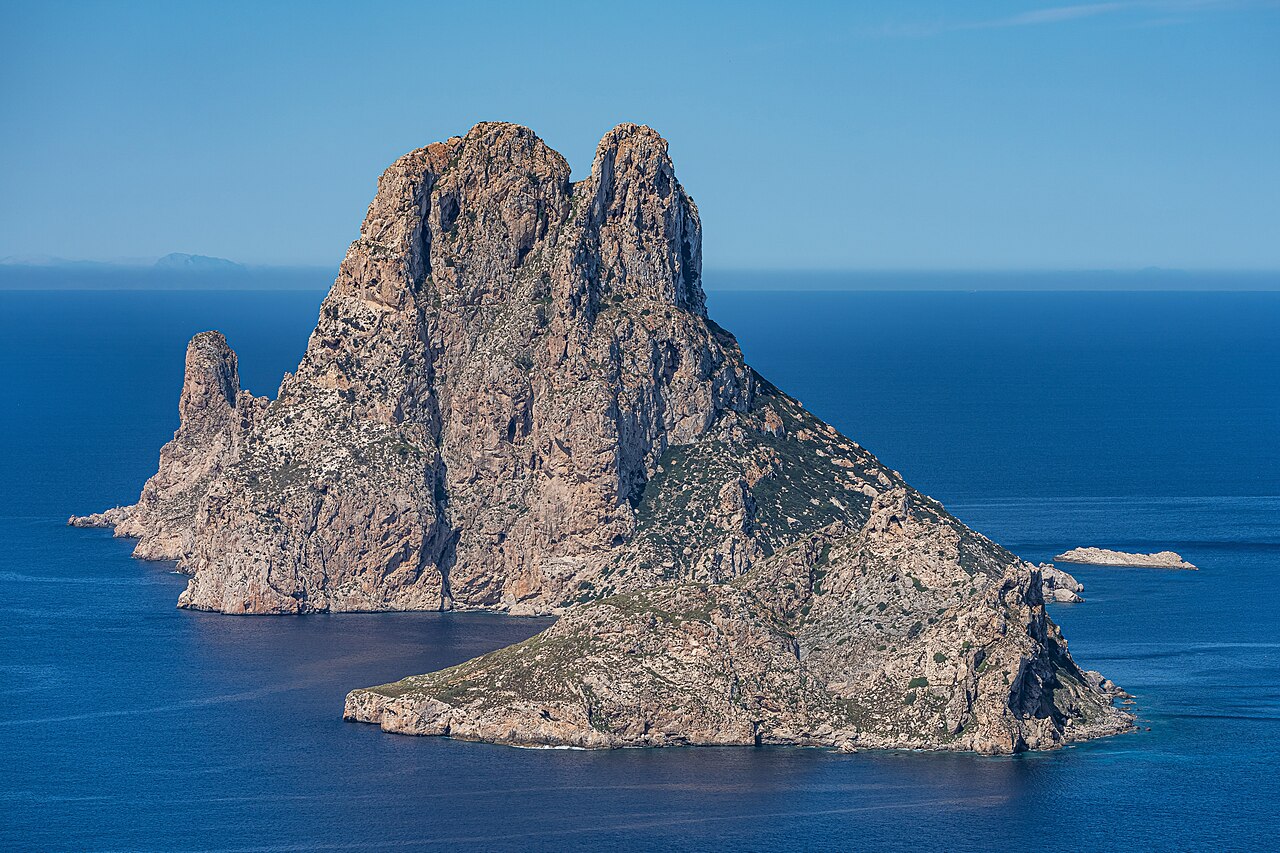
The coastal landscape around Es Vedrà can invite stillness and a sense of scale. Spiritual stories surrounding the island are part of its appeal to some visitors; claims of special magnetic or healing powers should not be treated as established facts.
Plan thoughtfully: respect the protected natural area and use permitted viewpoints and routes.
4. Camino de Santiago, Spain
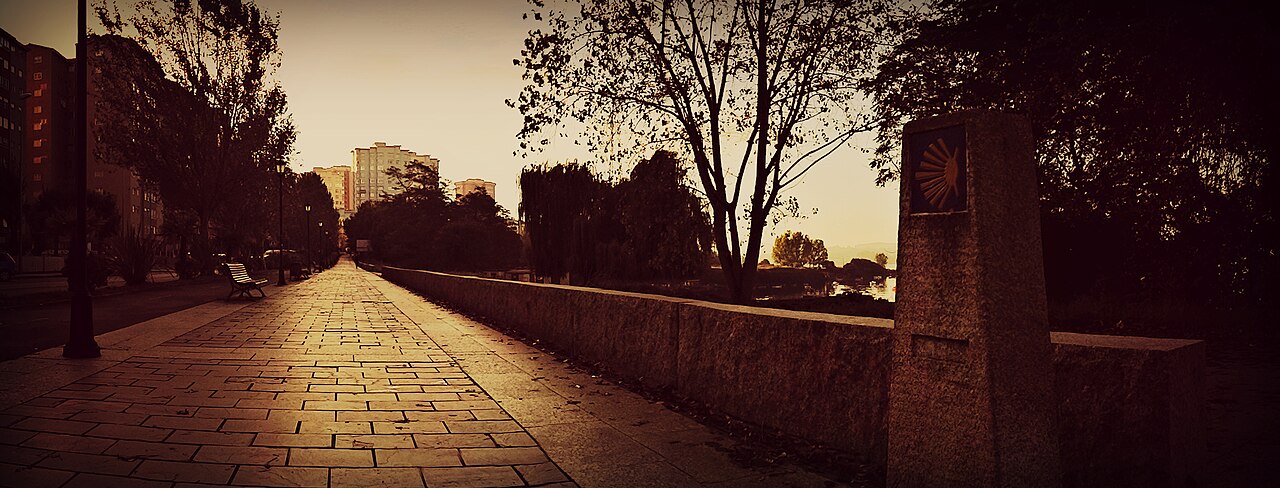
The Camino is a network of pilgrimage routes, not one walk. People approach it through faith, reflection, companionship and many personal reasons.
Plan thoughtfully: choose a section that fits your mobility, time and resources. A shorter journey can still hold meaning.
Asia: living traditions and sacred heritage
5. Kyoto, Japan
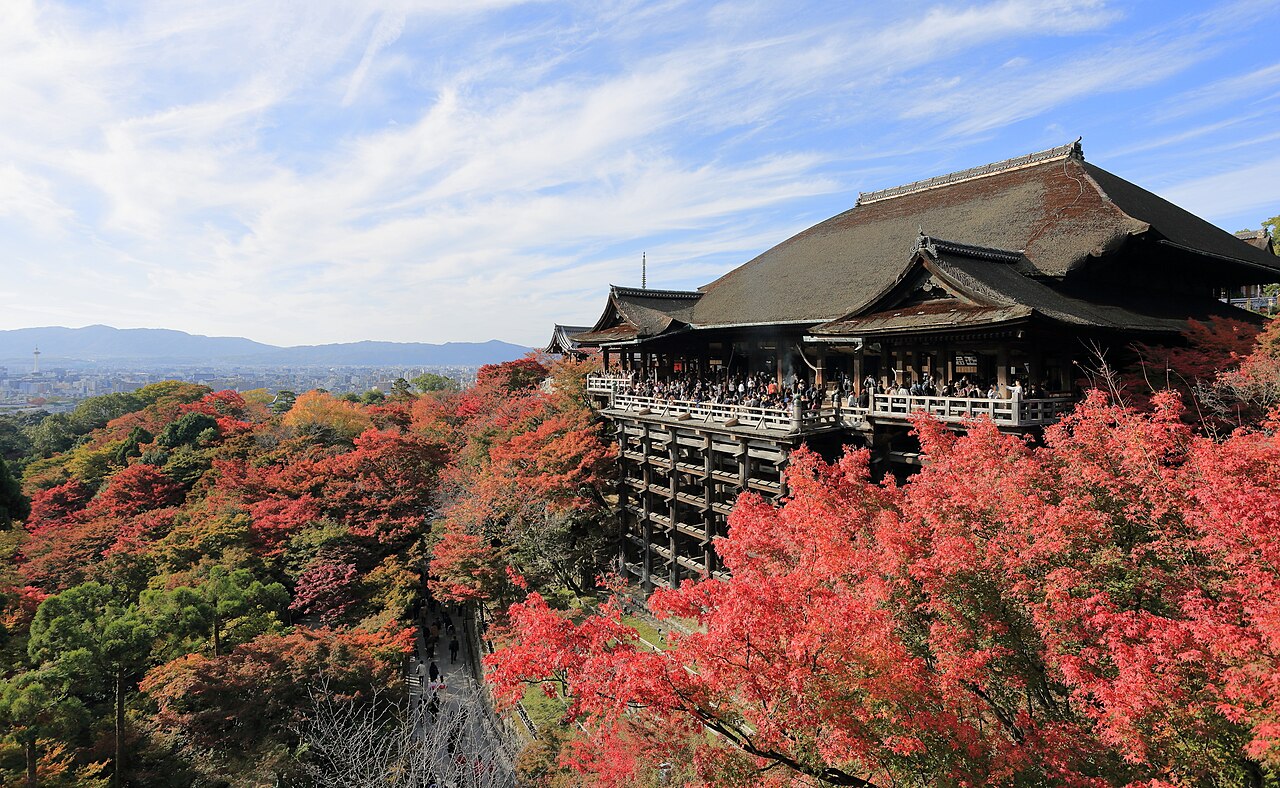
The historic monuments of ancient Kyoto include sites across Kyoto, Uji and Otsu. Temples, shrines and gardens invite attention to particular histories and practices.
Plan thoughtfully: choose a few sites, learn their individual traditions and leave room for quiet instead of collecting as many stops as possible.
6. Goa, India
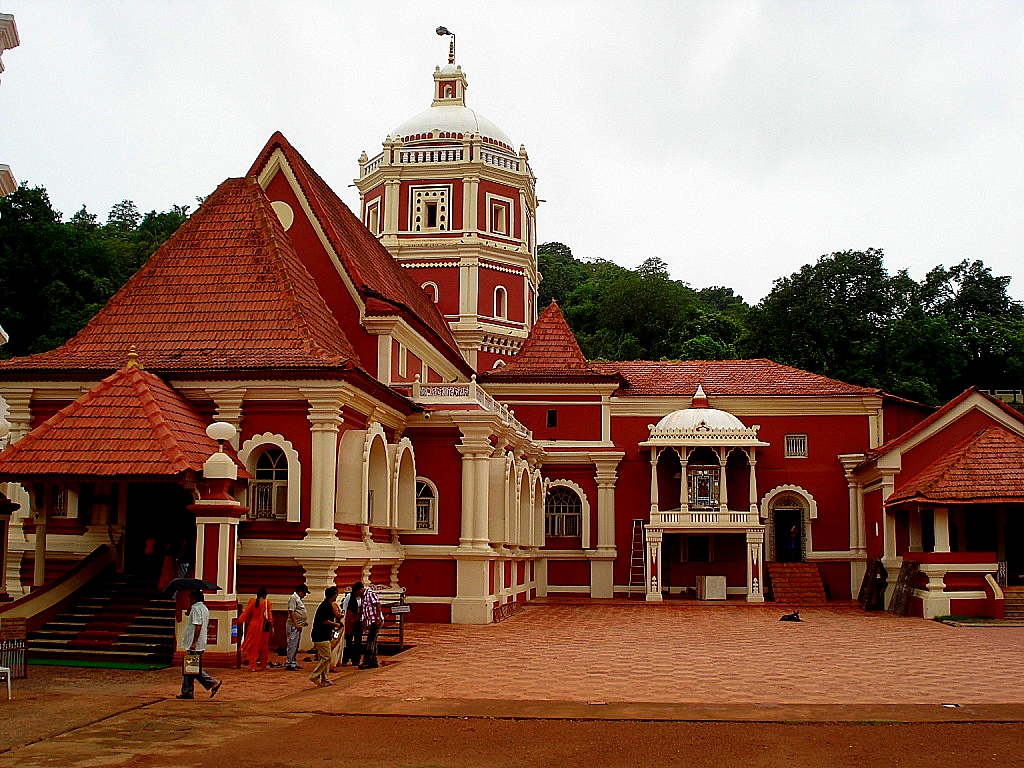
Goa’s religious heritage includes living temples, churches and other places of worship. A reflective visit can include learning how these communities and histories differ.
Plan thoughtfully: follow each site’s own welcome and rules. A beach retreat and a visit to a working sanctuary call for different behavior.
7. Ubud, Bali, Indonesia
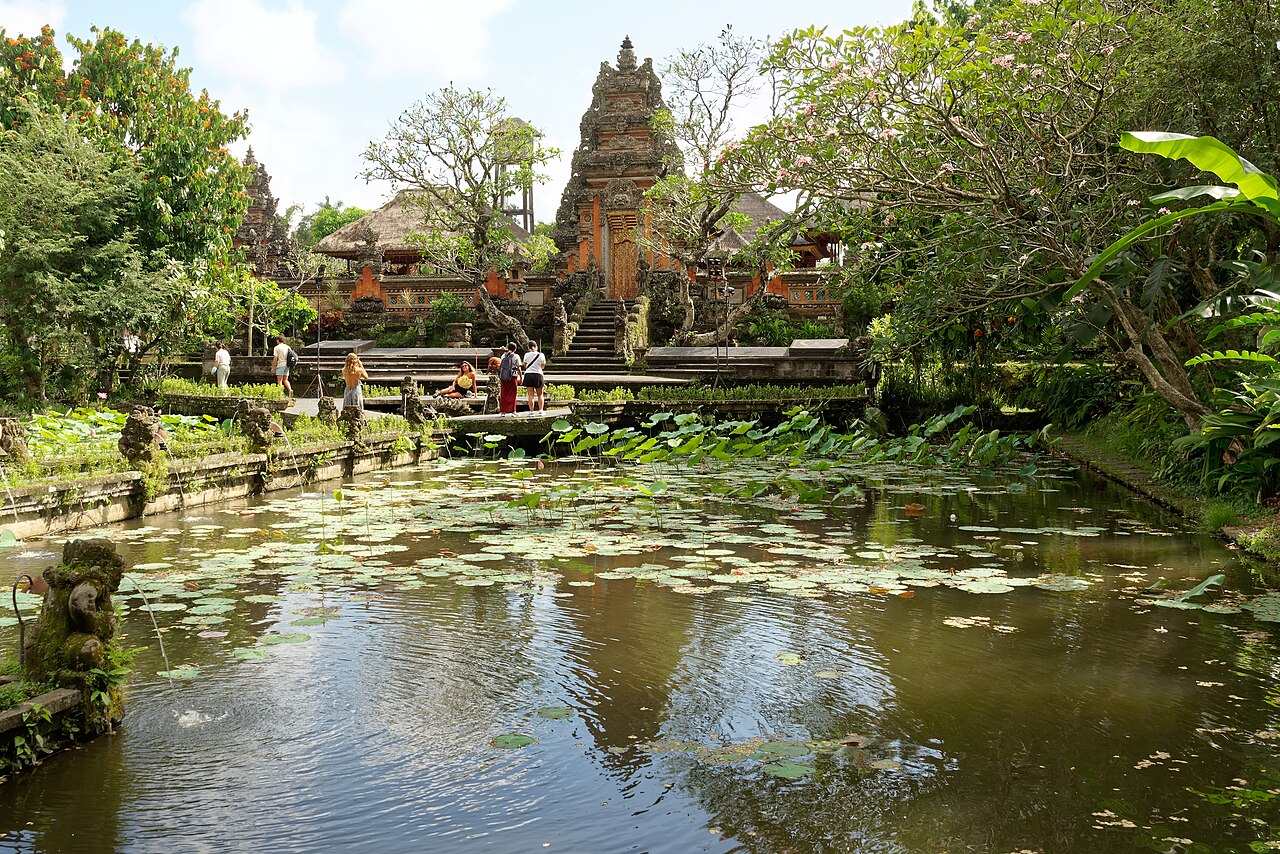
Ubud’s surroundings bring together Balinese Hindu culture, landscape and opportunities for quiet. Temples remain places of religious life, even when visitors are admitted.
Plan thoughtfully: follow local dress and entry guidance. Sacred areas within the Ubud Monkey Forest, for example, are not simply open sightseeing spaces.
8. Amritsar, India
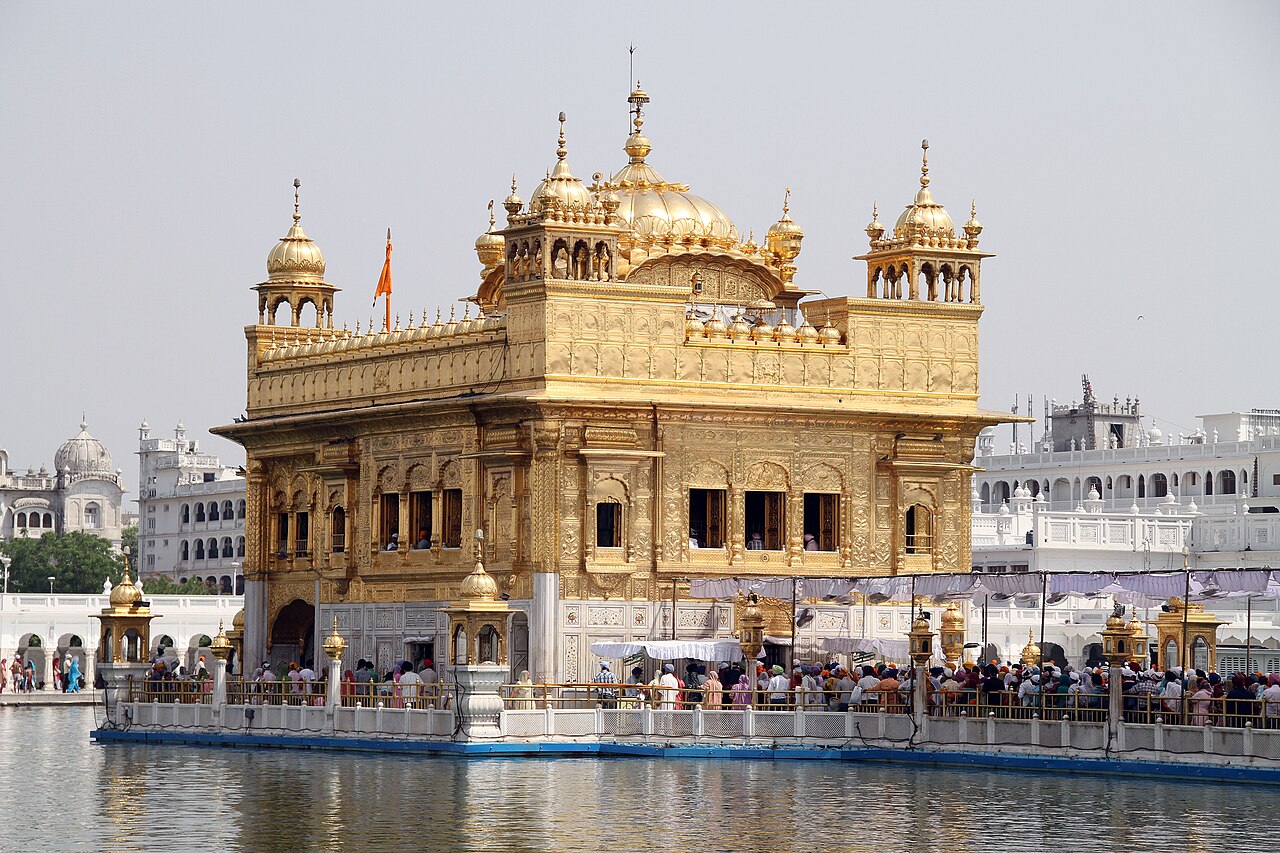
Sri Harmandir Sahib, often called the Golden Temple, is a central Sikh sacred place. Approach it through learning about Sikh worship and community rather than assigning it a generic wellness label.
Plan thoughtfully: consult the site’s visitor guidance and ask respectfully when uncertain about participation or photography.
9. Mecca, Saudi Arabia
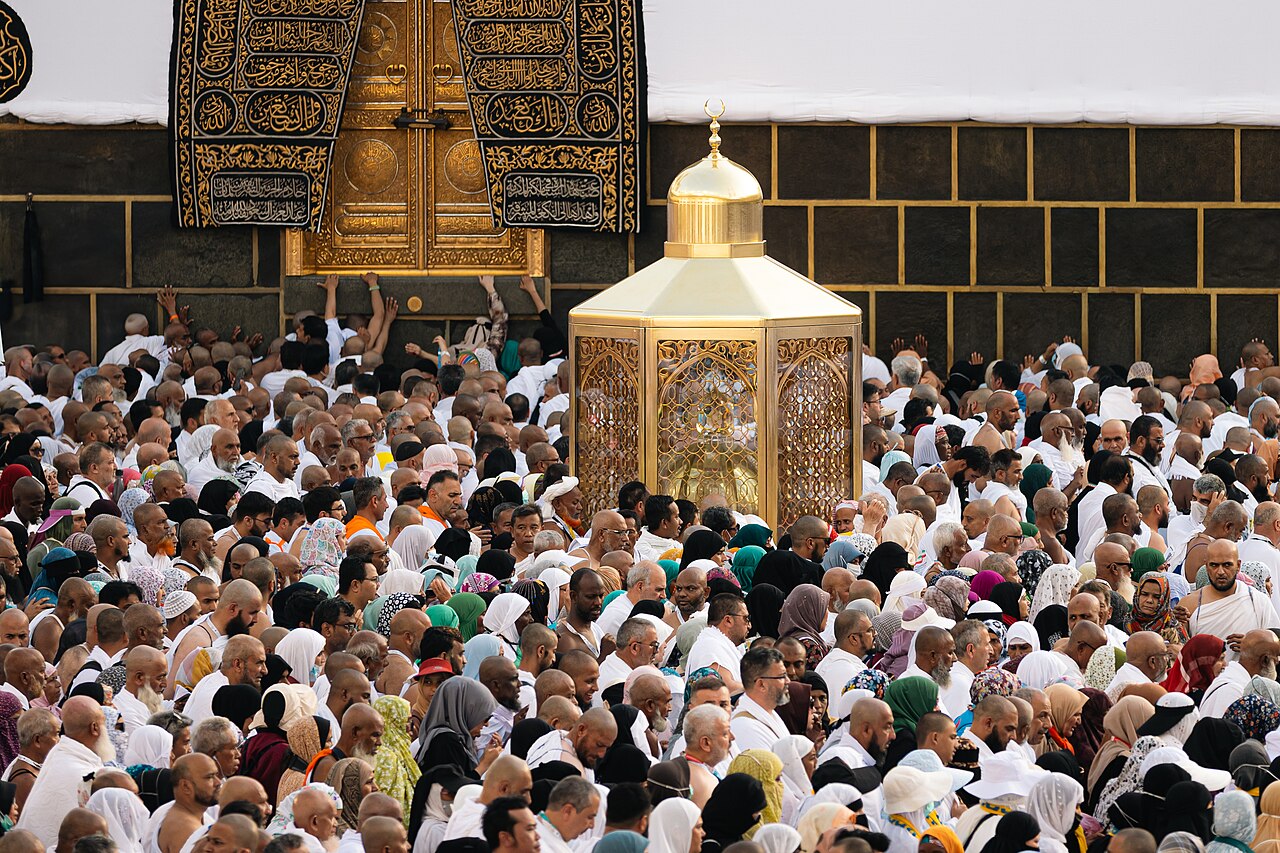
Mecca is central to Muslim pilgrimage. It is not an unrestricted destination for general spiritual tourism: non-Muslims are prohibited from entering, and Hajj has specific authorization requirements.
Plan thoughtfully: eligible pilgrims should use official pilgrimage information and current travel advice. Do not book around an access rule or an adverse advisory.
10. Mashhad, Iran
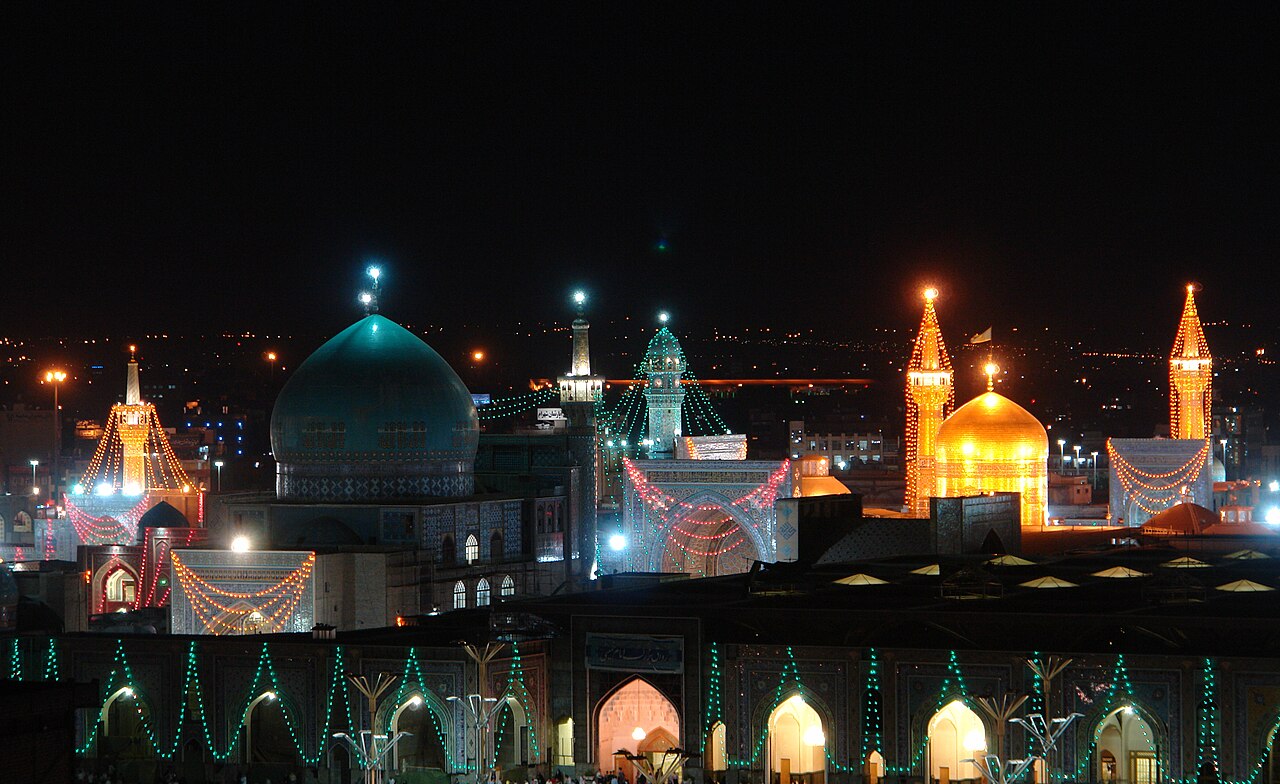
Mashhad’s Imam Reza complex is a major place of Shia Muslim pilgrimage. Its UNESCO Tentative List entry provides cultural context; tentative listing is different from inscription as a World Heritage Site.
Current planning: Canada’s advice is to avoid all travel to Iran. Explore the history remotely rather than treating this entry as a leisure-trip recommendation.
11. Varanasi, India
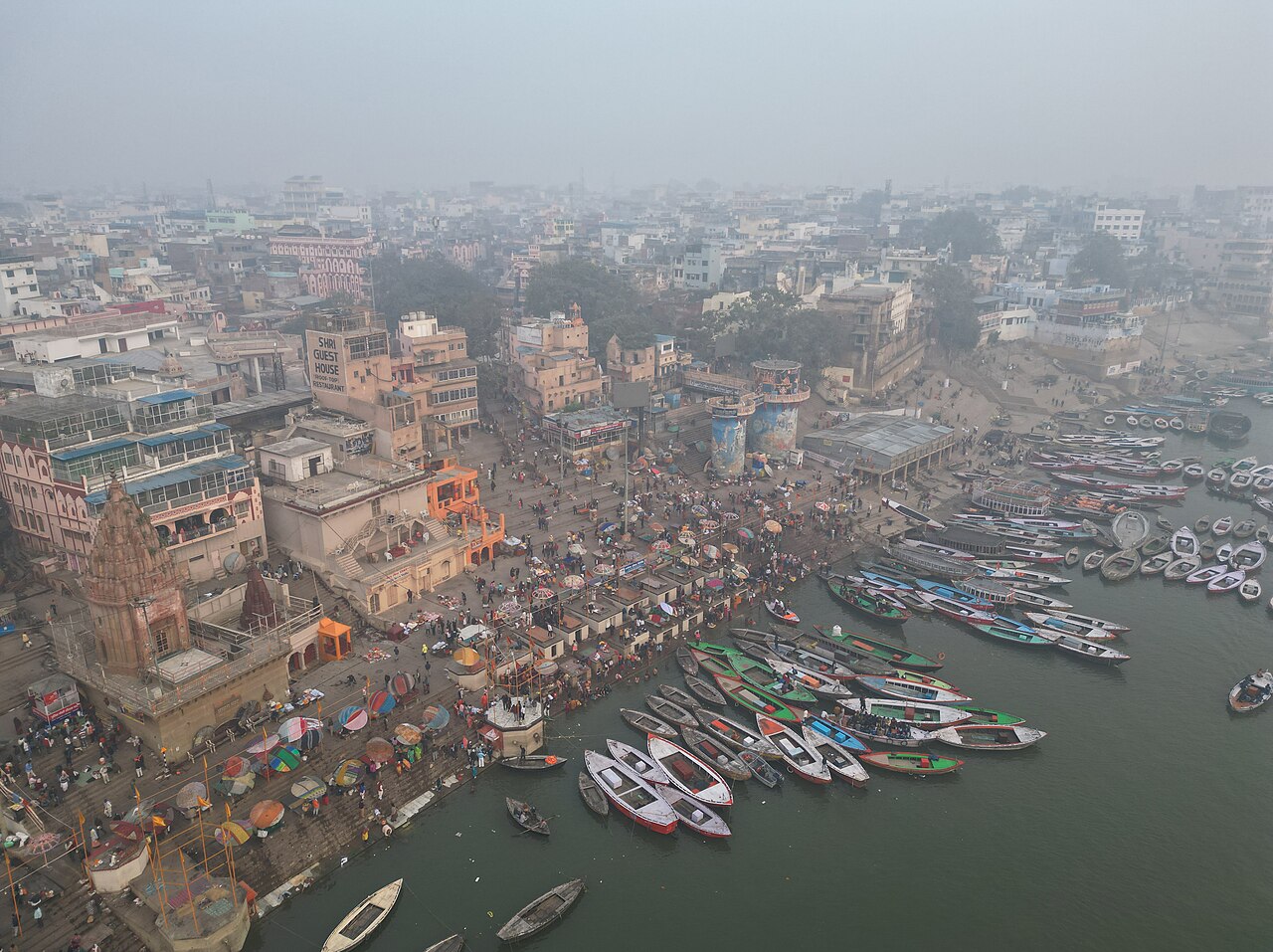
The ghats along the Ganges are part of Varanasi’s religious and daily life. The city’s meaning comes from living traditions, not a visitor’s need to witness an intense experience.
Plan thoughtfully: respect privacy around worship, mourning and cremation. Do not assume that a visible ceremony invites photography or participation.
12. Rishikesh, India
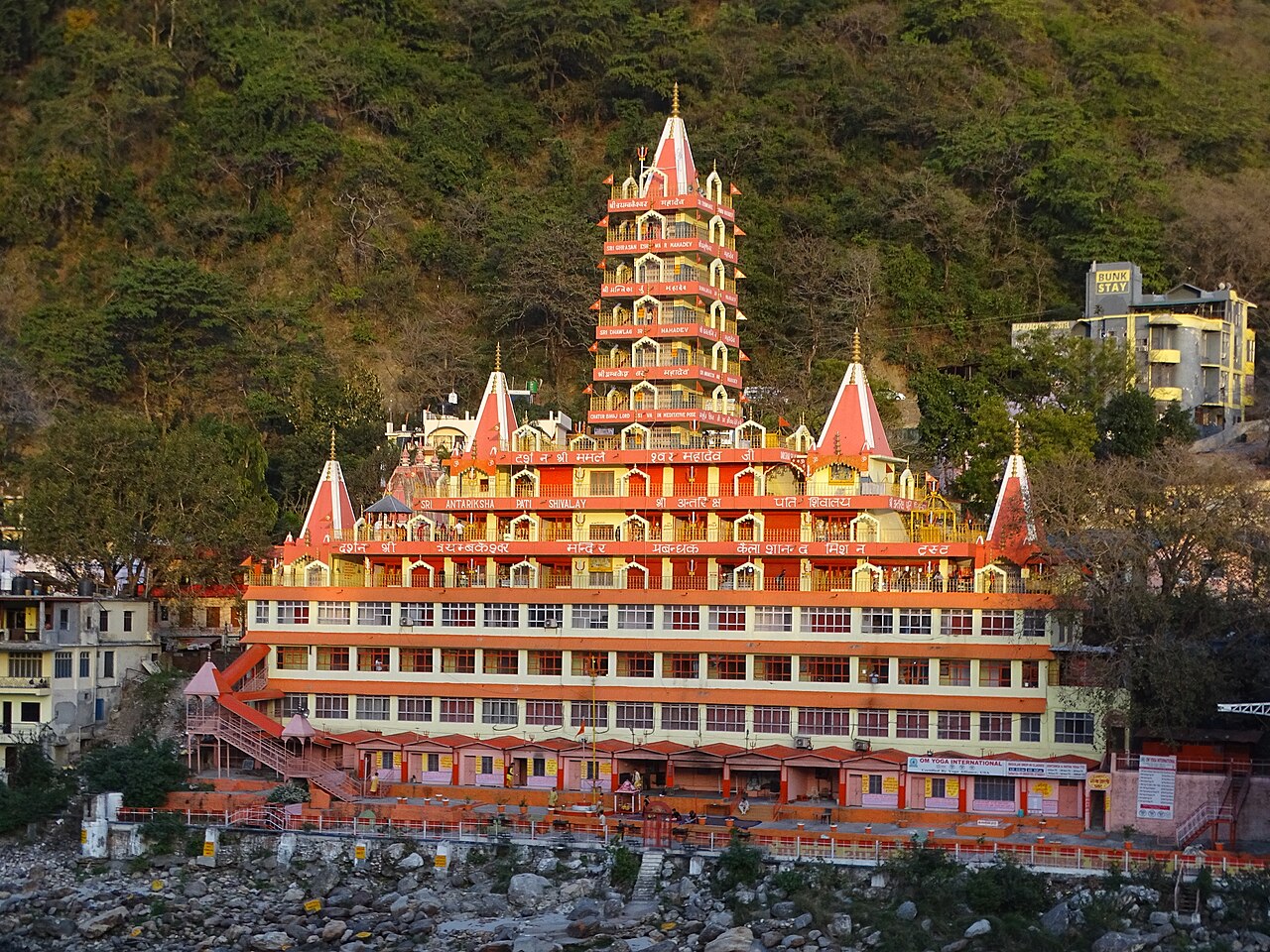
Rishikesh is associated with yoga, ashrams and spiritual learning beside the Ganges. A course or retreat may appeal if you want structured time for practice.
Plan thoughtfully: check the teacher, schedule, accommodation, fees and expectations. An ashram is a community with rules, not a hotel with unlimited activities.
13. Borobudur, Indonesia
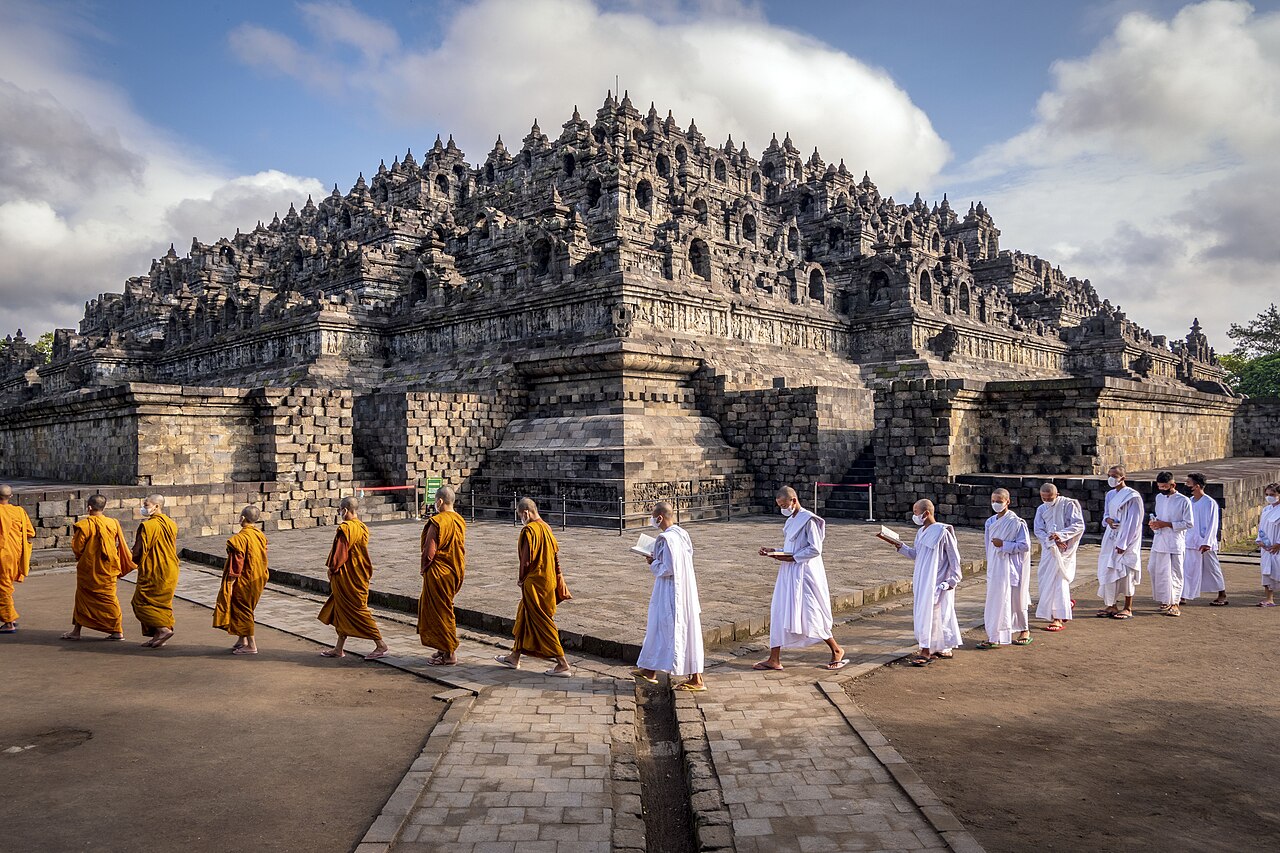
The Borobudur Temple Compounds offer an opportunity to learn about Buddhist heritage and architecture. Give the monument’s religious context attention alongside its striking form.
Plan thoughtfully: confirm current access arrangements and permitted routes with the official operator before visiting.
14. Angkor, Cambodia
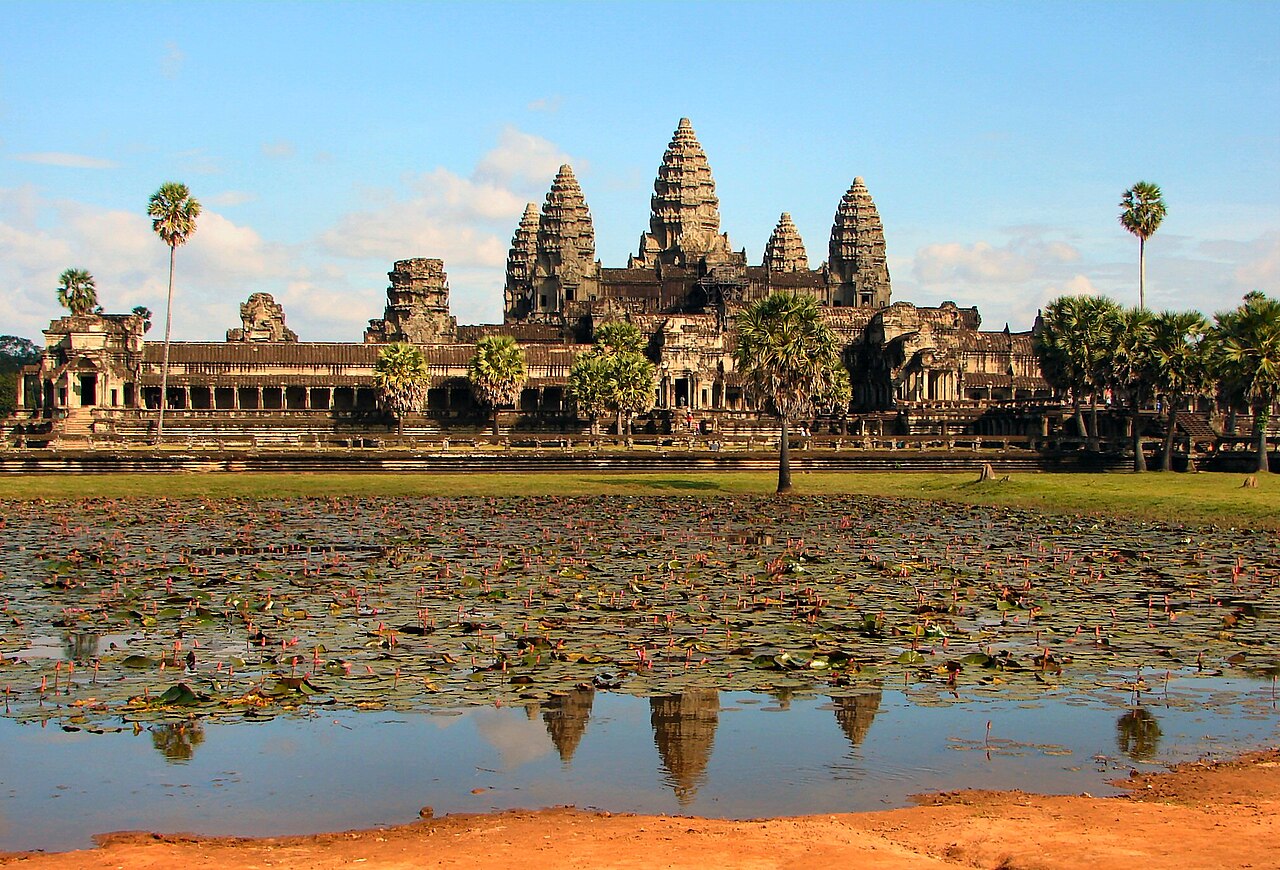
Angkor is an extensive cultural landscape, not only the familiar view of Angkor Wat. Its monuments carry histories of Hindu and Buddhist traditions.
Plan thoughtfully: allow time for interpretation, follow conservation rules and keep worship spaces distinct from photo opportunities.
The Americas and Australia
15. Machu Picchu, Peru
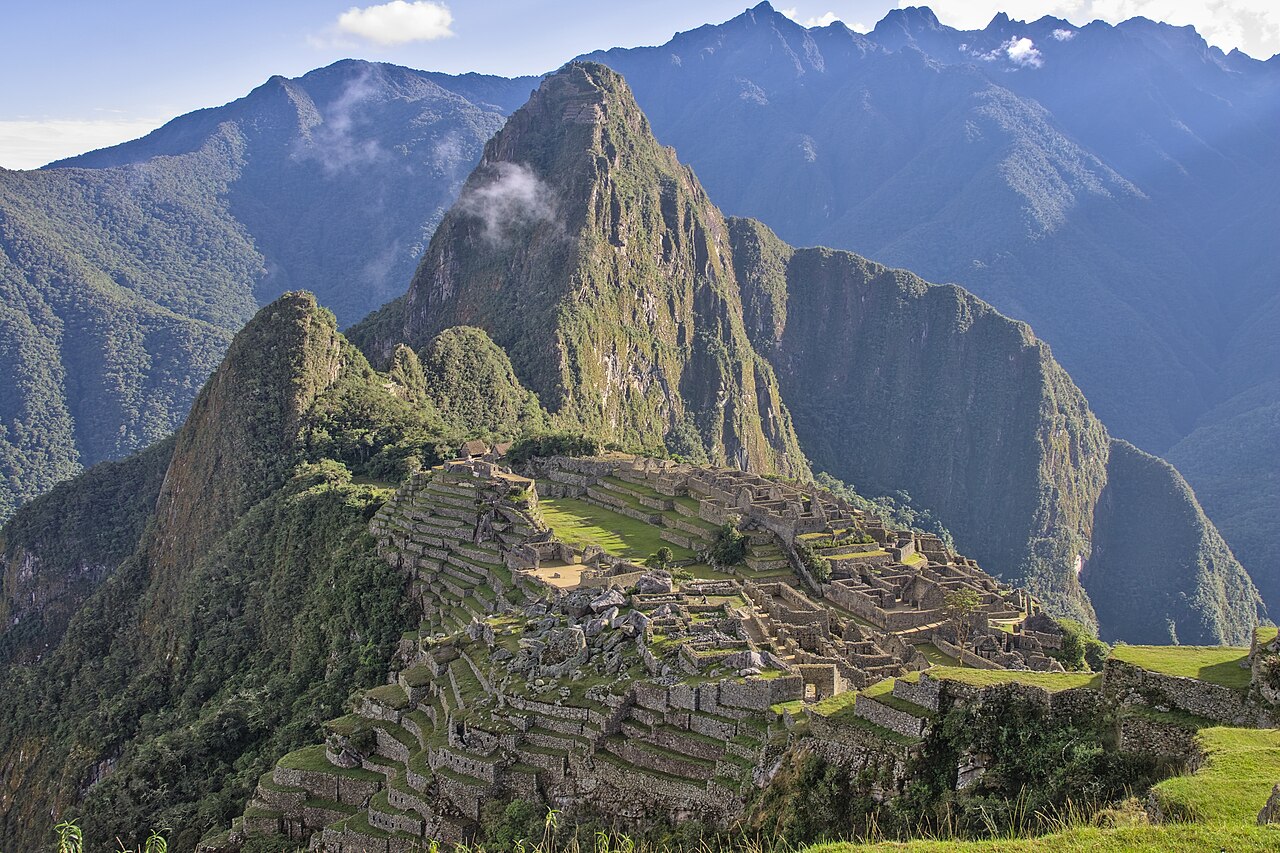
The historic sanctuary of Machu Picchu combines Inca heritage with an extraordinary mountain setting. Awe can be a reason to visit without inventing a promise of energetic healing.
Plan thoughtfully: confirm official tickets and routes, consider physical demands and altitude, and leave yourself enough time for the journey.
16. Wanuskewin, Saskatchewan, Canada
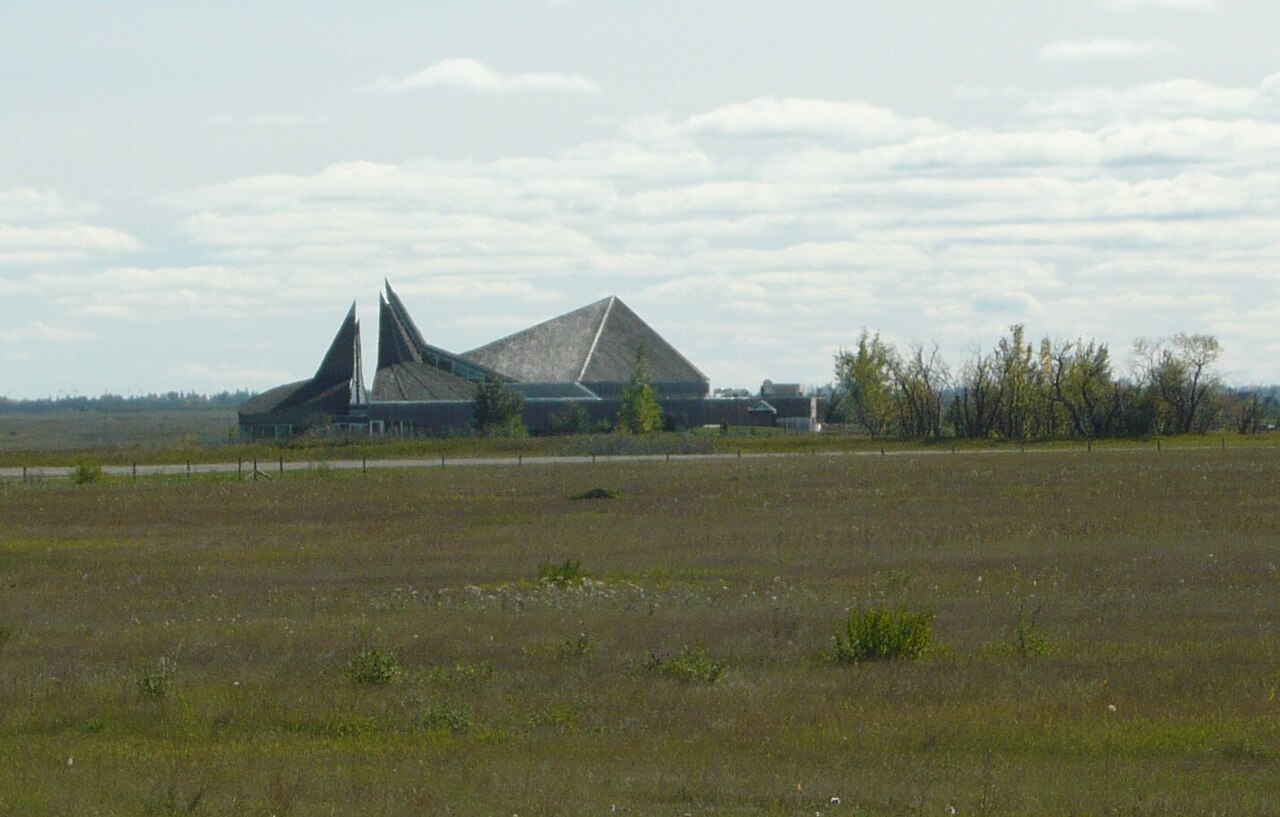
A specific place to learn is more useful than treating an entire province as one spiritual destination. Wanuskewin’s public visitor programs introduce Northern Plains Indigenous cultures through interpretation, exhibitions and the landscape.
Plan thoughtfully: choose the programs the hosts offer publicly. An invitation to visit does not imply access to private ceremonies or teachings.
17. Sedona, Arizona, USA
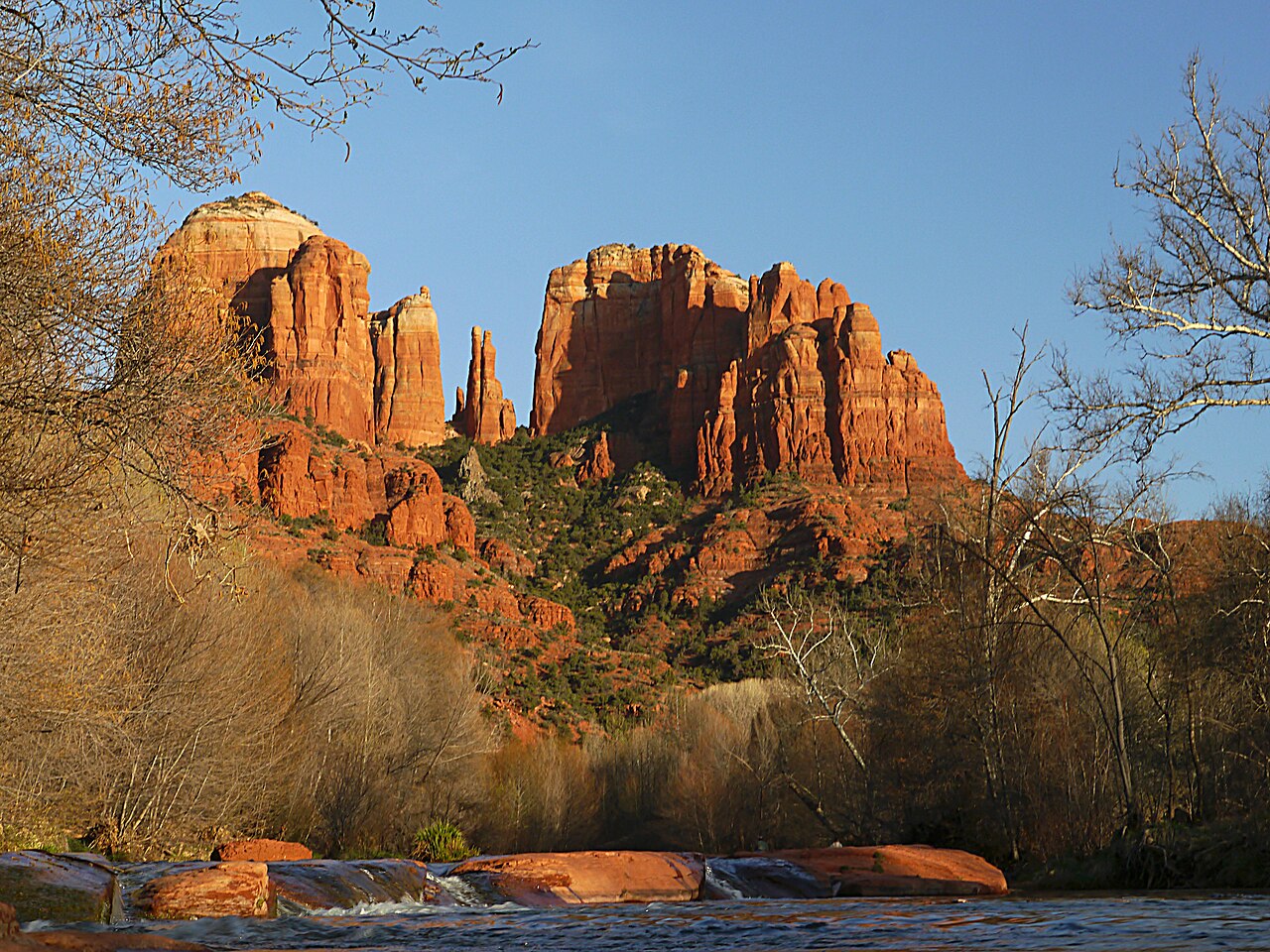
Red-rock scenery draws walkers and people interested in reflection. Local tourism describes vortex beliefs as part of Sedona’s spiritual culture; those beliefs do not establish measurable healing powers.
Plan thoughtfully: follow trail rules, prepare for the weather and respect the landscape. Avoid adding rock stacks, leaving offerings or disturbing the site.
18. Byron Bay, Australia
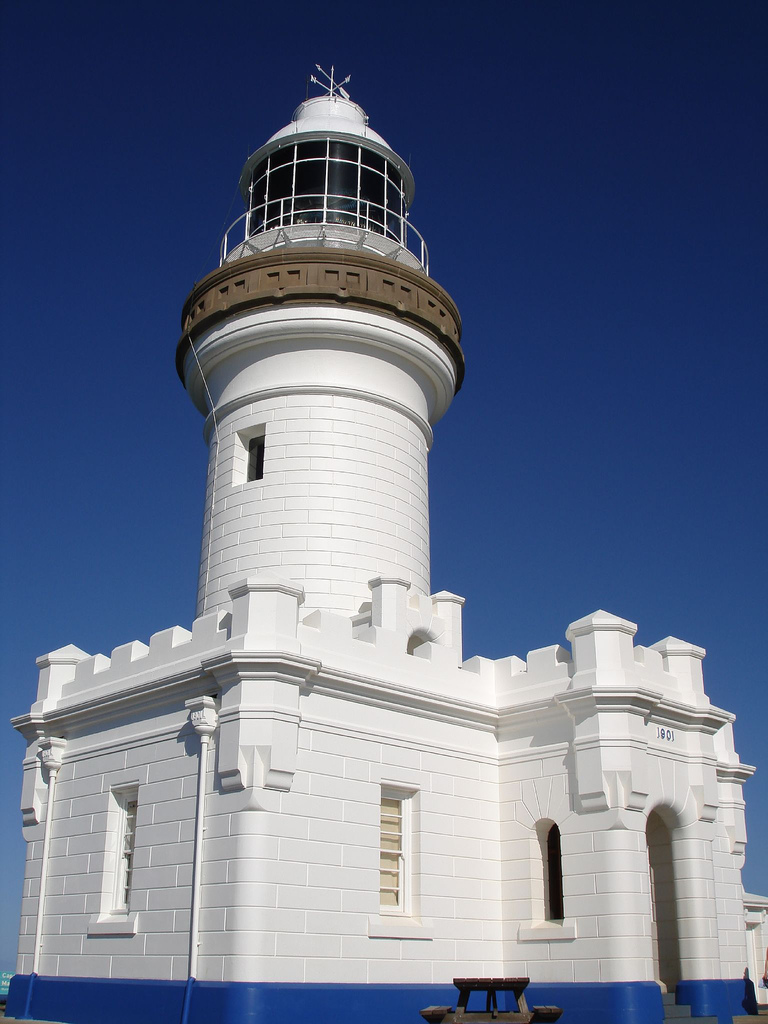
Coast and landscape may offer room to slow down. Learn first from the Arakwal community’s account of Country and culture, including the importance of Walgun, Cape Byron.
Plan thoughtfully: follow local guidance and public access rules. A place’s Indigenous significance is not a generic ceremony visitors can recreate.
19. Santa Fe, New Mexico, USA
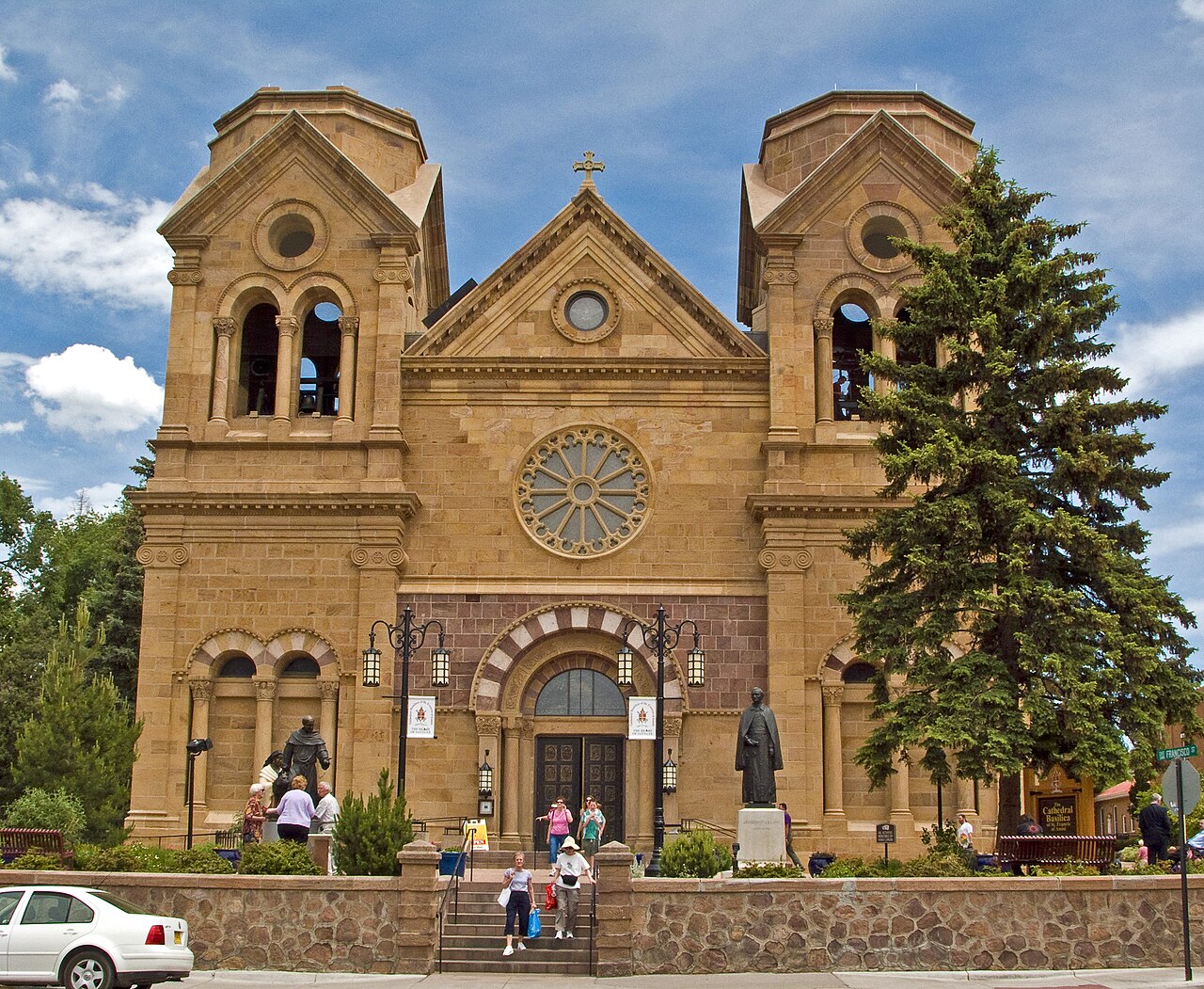
Santa Fe offers religious architecture, art and opportunities to explore local history. Loretto Chapel, now a private museum, is associated with a well-known staircase legend.
Plan thoughtfully: distinguish the legend from documented history and check arrangements for each museum, church or cultural visit.
20. Tulum, Mexico
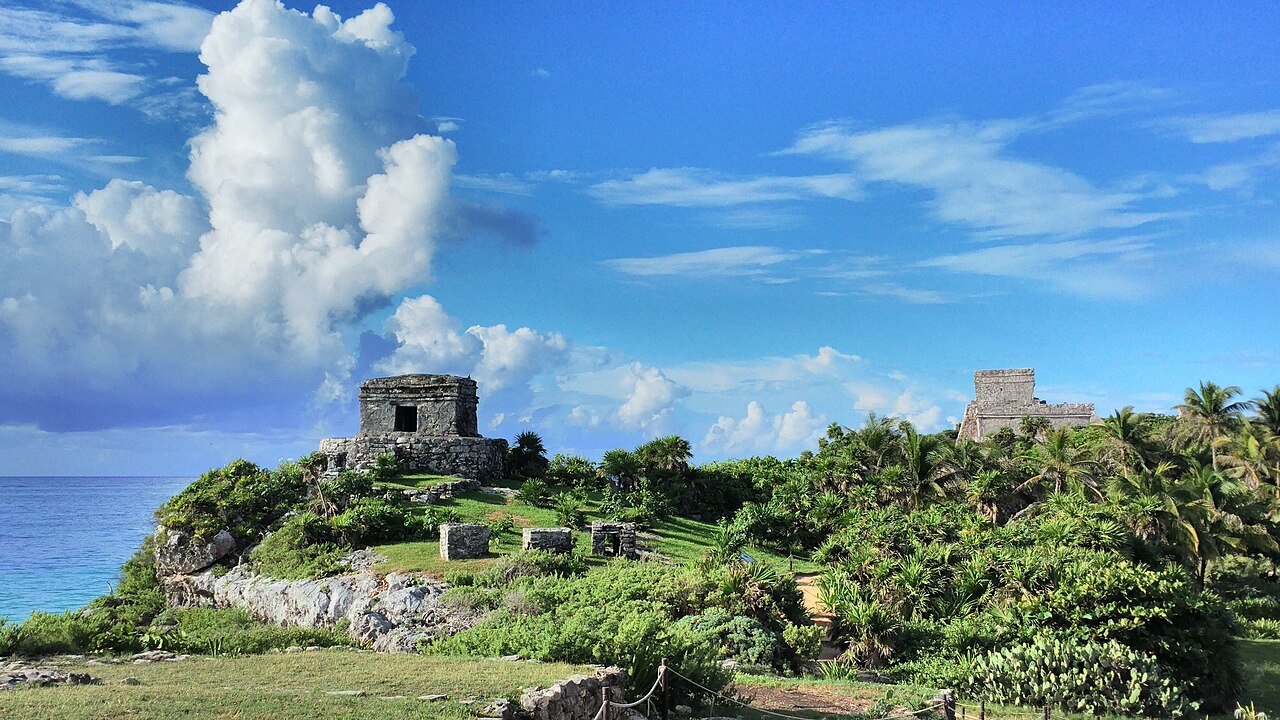
The archaeological site at Tulum is a place to learn about Maya heritage beside the Caribbean. Modern retreat marketing should not replace that history.
Plan thoughtfully: use official site information, respect protected structures and assess any separate retreat on its own terms.
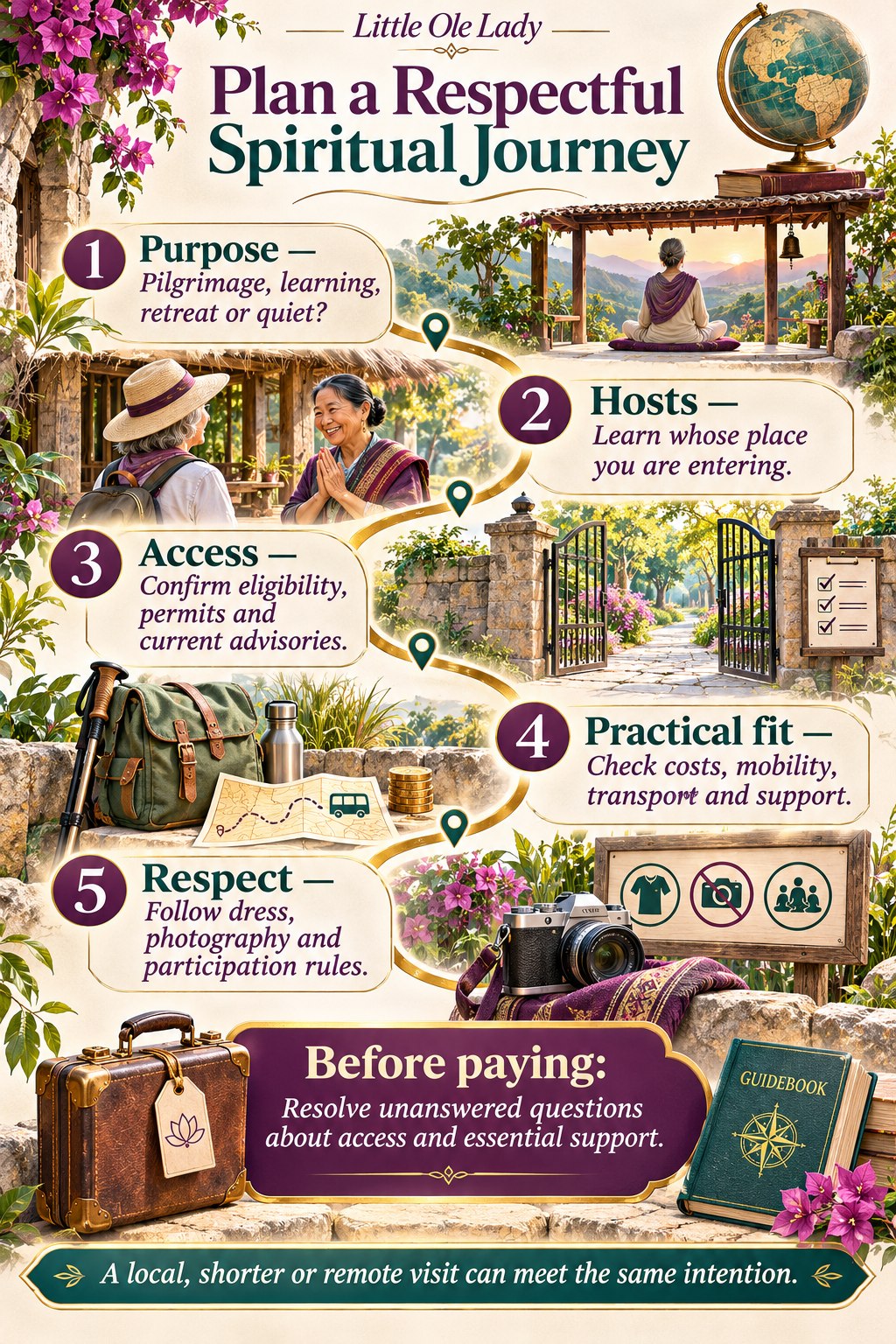
Choose the experience before the destination
Ask whether you want pilgrimage, cultural learning, a retreat or unstructured quiet. A working religious site may have little in common with a commercial wellness stay. Neither an expensive package nor a dramatic landscape guarantees insight.
Consider the time, mobility, health needs and budget the journey requires. You can adapt a trip, choose a nearby place or decide that home is the right setting for now. Our guide to your spiritual journey can help you begin with your intention rather than a distant itinerary.
Free spiritual-trip planning worksheet
Copy this checklist into a private note for each destination you are considering.
- Purpose: what am I hoping to learn or make time for?
- Hosts and history: whose place is this, and where can I learn from them?
- Access: am I eligible to enter, and what permits or reservations apply?
- Current conditions: what do official travel advisories and site notices say?
- Practical fit: what are the complete costs, transport needs, physical demands and accessibility arrangements?
- Respect: what are the rules for dress, photography, worship and participation?
- Alternative: what local, shorter or remote option would meet the same need?
- Afterward: what ordinary practice would I like to bring home?
Useful decision rule: an unanswered question about access, safety or essential support is a reason to investigate before paying a deposit.
Carry the meaning into everyday life
Leave room in the itinerary to rest, absorb what you learned and speak with people without rushing them. Ask before photographing a person, do not remove objects from a site and follow the hosts’ boundaries even when an activity looks interesting.
On returning, choose one habit that fits the experience: quiet time, further reading, a community connection or more considerate attention to the place where you live. The journey’s value does not depend on a dramatic revelation.
Frequently asked questions
1. What makes a destination spiritual?
It may have meaning within a living faith, a pilgrimage tradition, cultural history or your own reflective experience. Those meanings differ and deserve their own context.
2. Do I need to travel abroad for a spiritual experience?
No. A nearby place of worship, a community program, time outdoors or a quiet practice at home may suit your intention and resources.
3. Are these destinations ranked by spiritual power?
No. The guide presents different settings and traditions, not a ranking of measurable energy or a promise of transformation.
4. Can anyone visit Mecca?
No. Non-Muslims are prohibited from entering Mecca. Eligible pilgrims must also follow the current official authorization and pilgrimage rules.
5. Is this guide recommending travel to Iran now?
No. As checked on October 31, 2026, Canada advises avoiding all travel to Iran. The Mashhad entry provides cultural context rather than a booking recommendation.
6. Where should I check current travel restrictions?
Use government advice relevant to your citizenship and route, the destination’s official entry information and the specific site’s current visitor guidance.
7. Is Hagia Sophia still a museum?
Hagia Sophia currently functions as the Ayasofya Grand Mosque. Follow current mosque and visitor arrangements rather than relying on an old museum itinerary.
8. Is the Camino de Santiago one route?
No. It is a network of routes. Choose a section and travel plan that fit your time, mobility and preparation.
9. Do I have to follow a religion to appreciate a sacred site?
A respectful visitor may be welcome at some sites, but access and participation vary. Learn the particular rules and accept when a space or activity is restricted.
10. May I photograph ceremonies or people?
Do not assume permission. Follow posted rules and ask before photographing people; worship, mourning and private ceremonies may require additional restraint.
11. Are Indigenous ceremonies open to tourists?
Not automatically. Choose programs that hosts explicitly offer to the public, and respect boundaries around private ceremonies, places and teachings.
12. Does a vortex destination guarantee healing?
No. Vortex language belongs to spiritual beliefs and local storytelling. A visit does not establish healing powers or replace appropriate care.
13. How can I choose a retreat?
Check the hosts, schedule, costs, accommodation, expectations, accessibility and cancellation terms. A spiritual label does not answer those practical questions.
14. What is in the free trip worksheet?
It covers your purpose, hosts and history, eligibility, current conditions, practical fit, respectful behavior, alternatives and what you want to bring home.
15. What if I return without a revelation?
A journey can still matter through learning, rest, connection or a small change in daily life. You do not need a dramatic experience to justify it.